eSIM, travel content
Japanese Grand Prix 2026 Travel & Connectivity: What to Know Before You Go
A practical guide to getting to Suzuka Circuit, navigating race-day crowds, and staying connected across Japan during the Grand Prix weekend
TL;DR: The Japanese Grand Prix runs from 27–29 March 2026 at Suzuka Circuit, a semi-rural venue that draws large domestic and international crowds. Most visitors use 3–6 GB of mobile data over 3–4 days for navigation, train schedules, tickets, and messaging. Public Wi-Fi is limited around the circuit, and mobile networks can slow during peak arrival and departure windows. Many travellers plan connectivity in advance using a local SIM or travel eSIM to stay online throughout race weekend.
🇯🇵 Explore Nomad eSIM’s Japan eSIM Plans


The Japanese Grand Prix is one of the most iconic stops on the Formula 1 calendar. Held at Suzuka Circuit, it’s known for its technical layout, passionate fans, and intense race-day atmosphere.
Key details
- Circuit: Suzuka Circuit
- Dates: March 27–29, 2026
- Nearest major city: Nagoya
- Circuit setting: Semi-rural, outside major city centres
Getting to Suzuka Circuit (This Is Where Planning Matters)
Most visitors base themselves in Nagoya and travel to Suzuka on race days.
Typical route
- Shinkansen or local train to Nagoya
- Kintetsu Line to Shiroko Station
- Bus or walk to Suzuka Circuit
On race days, trains and buses run frequently but can become extremely crowded, especially:
- Before qualifying and the main race
- Immediately after sessions end
Most visitors travel to Suzuka via Nagoya using a combination of Shinkansen, local trains, and shuttle buses. During race weekend, services run frequently but platforms and transfers can be crowded. Having mobile data makes it much easier to check live schedules, platform changes, and delays using apps for navigating Japan’s train system, especially when plans shift at short notice.
🇯🇵 Check Out Nomad eSIM’s Japan eSIM Plans
Connectivity Conditions at Suzuka During Race Weekend
Suzuka’s location creates different challenges compared to urban races.
What to expect
- Strong coverage in cities like Nagoya and Osaka
- Slower speeds near the circuit during peak hours
- Limited public Wi-Fi around Suzuka Circuit itself
Japan’s mobile infrastructure is excellent overall, but crowd density might affect performance during major events.
How Much Mobile Data Do You Need for the Japan GP?
Most visitors stay 3–4 days, often combining the race with travel in Tokyo, Kyoto, or Osaka.
Common data usage
- Train and transit apps
- Google Maps / Apple Maps
- Messaging and coordination
- Photos and short videos
Data consumption varies depending on how often you rely on maps, social media, and uploads. Refer to our guide to understand typical mobile data usage rate and how to best estimate for your travel needs.
Typical estimates
- Light use: 1–2 GB
- Average race weekend: 3–6 GB
- Heavy use (uploads, remote work): 6–8 GB
Most visitors are in Japan for just a few days around the race, which makes plan sizing more important than raw data volume. If you’re unsure what to pick, this guide to choosing the right eSIM plan for a short trip walks through common travel patterns and how to avoid paying for more data than you’ll realistically use. If you’re travelling beyond Suzuka, planning a slightly larger buffer is sensible.
Comparing Data Connectivity Options in Japan (SIM vs eSIM)
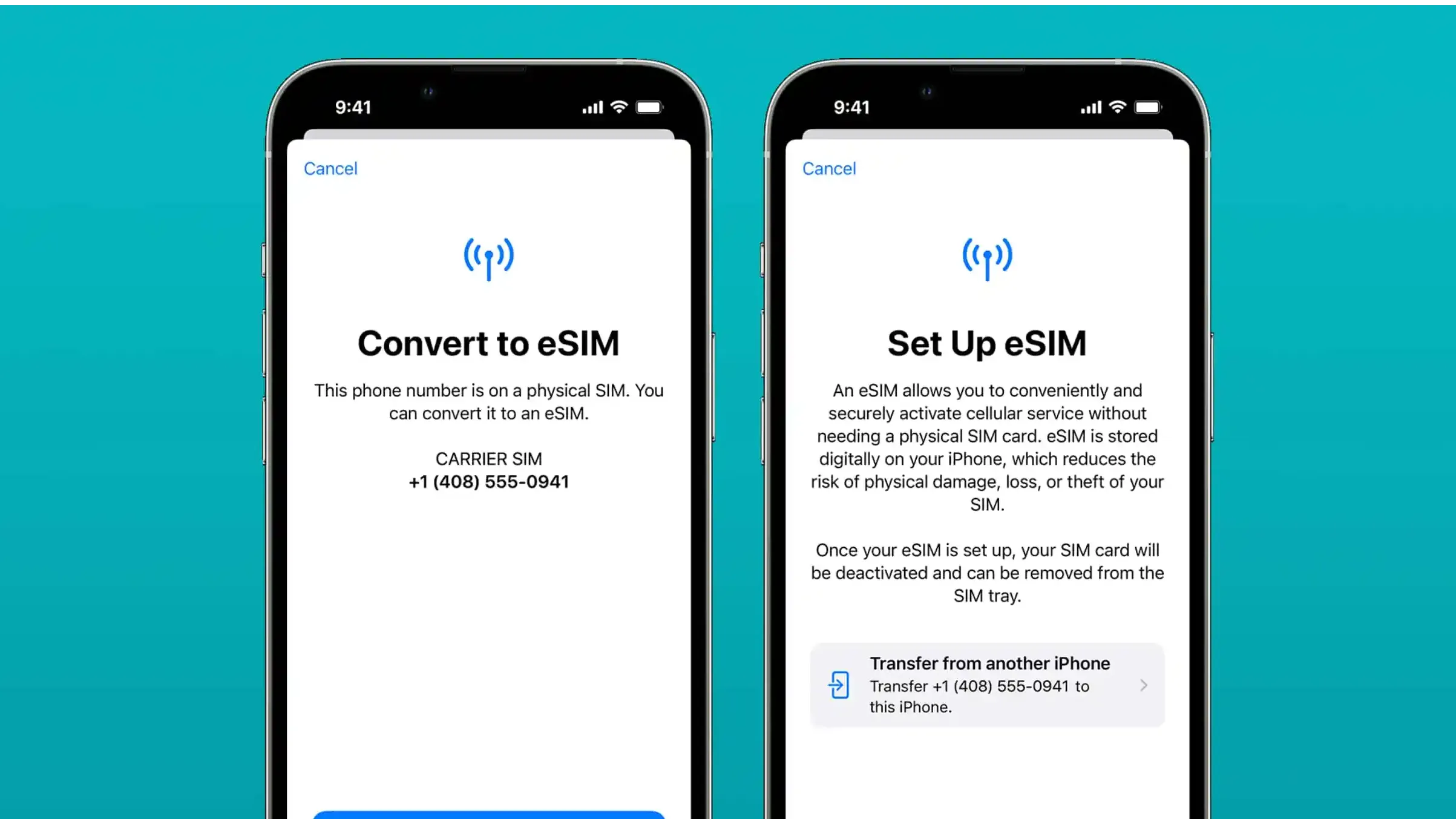
For travellers new to eSIMs, questions around security and reliability are common. If that’s a concern, this article on whether eSIMs are safe to use while travelling explains how eSIMs work, how they compare to physical SIMs, and what to expect from a security standpoint.
Beyond the Track: Exploring Japan Around Race Weekend
Many fans combine the Japan GP with time in Tokyo, Kyoto, or Osaka.
- Tokyo for food, shopping, and culture
- Kyoto and Osaka for history and regional cuisine
- Nagoya for a quieter base near Suzuka
From navigation and translation to reservations and payments, having reliable data helps with day-to-day logistics and makes spontaneous planning far easier. This list of useful travel apps for getting around Japan is a good reference if you’re planning to move between cities during your trip.
🇯🇵 Browse Nomad eSIM’s Japan eSIM Plans
Practical Tips for Japan GP Visitors
- Expect heavy crowding on trains near Suzuka
- Download transit and mapping apps in advance
- Plan connectivity before arriving in Japan
- Allow for slightly higher data usage if travelling beyond race days
With busy travel days and crowded trains, having mobile data set up in advance can make the weekend feel a lot smoother. Planning ahead and browsing Nomad’s Japan eSIM plans early helps you choose a setup that works for your travel style.
Nomad eSIM Free Trial
Try Nomad eSIM risk-free with our free trial—no contracts, no commitment. Set up in minutes, enjoy secure connectivity, and manage everything easily through the Nomad eSIM app.